
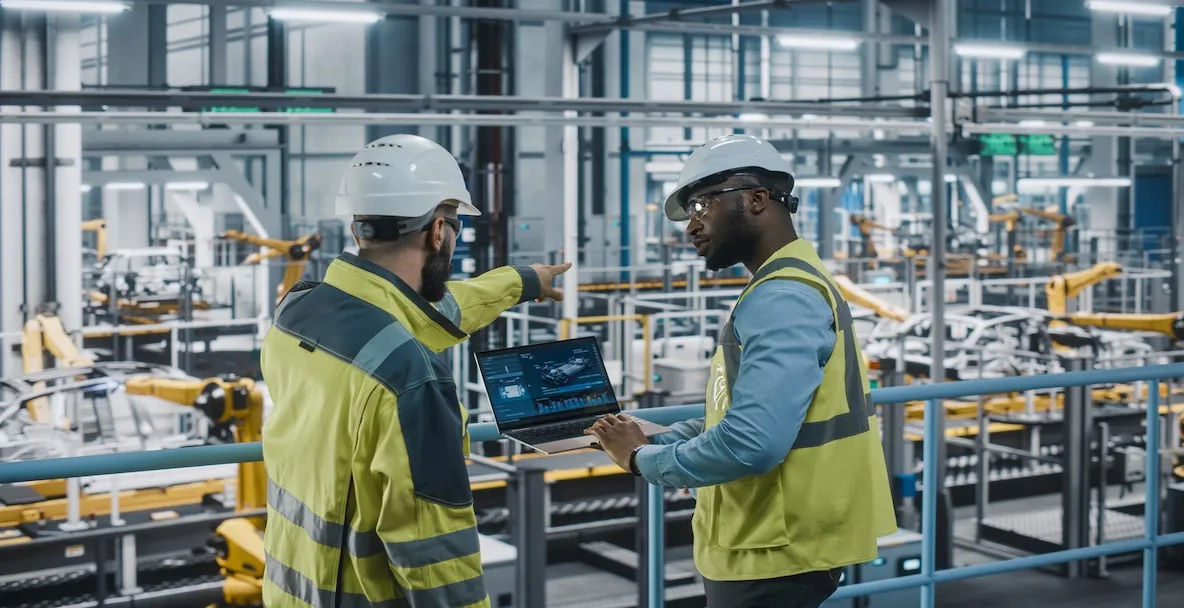
In the modern manufacturing landscape, efficiency, precision, and productivity are no longer optional—they are essential. Factories that adopt industrial automation components see a significant transformation in their operations, enabling them to reduce human error, optimize resources, and enhance overall output. Companies like Nexa Automation specialize in delivering high-quality industrial automation solutions that cater to diverse manufacturing needs, helping factories stay competitive in an ever-evolving market.
Industrial automation components are the backbone of contemporary factories. From robotic arms to programmable logic controllers (PLCs), these components work collectively to automate repetitive tasks, streamline production processes, and minimize downtime. By integrating these systems, factories can achieve consistent product quality, faster production cycles, and reduced operational costs.
Understanding Industrial Automation Components
Before diving into the benefits, it is essential to understand what industrial automation components are. These are specialized devices and systems designed to automate industrial processes. They include:
- Sensors and Actuators: Devices that detect changes in the environment and perform specific actions accordingly.
- Programmable Logic Controllers (PLCs): Computers used to control machinery and processes in real-time.
- Human-Machine Interfaces (HMIs): Interfaces that allow operators to interact with automated systems efficiently.
- Robotic Arms and Conveyors: Mechanical components that perform repetitive tasks like assembly, packaging, and material handling.
- Control Systems: Software and hardware components that manage and monitor industrial processes.
Each of these components contributes to improving factory operations by ensuring precision, safety, and scalability.
Enhanced Productivity and Efficiency
One of the most significant advantages of incorporating industrial automation components is the boost in productivity. Automated systems can operate 24/7 without fatigue, unlike human labor, which is limited by shifts and breaks. This constant operation ensures a higher production rate while maintaining product consistency.
For example, factories using robotic arms for assembly can complete tasks in minutes that would otherwise take hours manually. Similarly, conveyor systems integrated with sensors can automatically sort products, reducing delays and ensuring a smooth workflow. With Nexa Automation’s advanced solutions, factories can achieve optimal efficiency, lowering production costs while increasing output.
Improved Product Quality
Consistency in product quality is critical in manufacturing. Manual operations are prone to errors, leading to defects and waste. Industrial automation components eliminate this variability by performing tasks with precision. Sensors and automated control systems detect deviations in real-time, allowing immediate corrections before defective products reach the market.
For instance, an automated packaging system equipped with weight sensors ensures that each package meets the required specifications. Similarly, automated inspection systems using cameras and AI can identify flaws invisible to the human eye. With such technologies, factories can maintain high standards and satisfy even the most demanding customers.
Cost Reduction and Resource Optimization
While the initial investment in industrial automation components can be substantial, the long-term benefits outweigh the costs. Automation reduces the dependency on manual labor, minimizing payroll expenses and the risk of workplace injuries. Additionally, these systems optimize resource usage by reducing material wastage and energy consumption.
For example, automated heating systems in factories can regulate energy use based on production requirements. Similarly, precision cutting machines ensure minimal material loss, lowering production costs. Companies that implement automation, like Nexa Automation, provide customized solutions that help factories maximize ROI while maintaining efficiency.
Enhanced Workplace Safety
Industrial environments often involve hazardous tasks, from handling heavy machinery to exposure to chemicals. Automation reduces human involvement in these risky processes, significantly improving workplace safety.
Robotic systems can perform dangerous tasks, such as welding or chemical mixing, without endangering human operators. Sensors can detect unsafe conditions, triggering automatic shutdowns or alerts to prevent accidents. By integrating automation components, factories can create safer work environments, reducing the risk of injuries and associated costs.
Scalability and Flexibility
Modern factories must adapt to changing market demands quickly. Industrial automation components provide the scalability and flexibility needed to adjust production capacity and product lines efficiently.
PLC systems and modular robotic solutions can be reprogrammed or upgraded without major overhauls, allowing factories to respond to new trends, customer demands, or product variations. This adaptability is vital in industries with fluctuating demand patterns, ensuring that production remains agile and competitive.
Real-Time Monitoring and Data Analysis
Another major advantage of industrial automation is the ability to collect and analyze data in real-time. Advanced sensors, control systems, and software platforms provide insights into production performance, equipment health, and operational efficiency.
Factories can use this data to implement predictive maintenance, reducing unplanned downtime and extending the lifespan of machinery. Data analytics also help identify bottlenecks, optimize workflows, and improve decision-making. By leveraging industrial automation components, companies can transform raw operational data into actionable intelligence that drives continuous improvement.
Environmental Sustainability
Industrial automation contributes to sustainable manufacturing by reducing waste and energy consumption. Automated systems precisely control processes, ensuring materials and resources are used efficiently.
For instance, automated dosing systems in chemical manufacturing minimize excess use of raw materials, lowering environmental impact. Energy management systems can adjust power usage based on real-time production needs. Factories that adopt automation not only benefit economically but also contribute to environmental sustainability, aligning with global green initiatives.
Competitive Advantage
In today’s highly competitive market, factories must innovate to survive. Automation provides a strategic edge by enhancing efficiency, quality, and responsiveness. Companies that integrate automation components can outperform competitors, deliver superior products, and expand their market share.
With Nexa Automation’s industrial solutions, businesses gain access to cutting-edge technology and expert support, ensuring that they remain at the forefront of industrial innovation. From small-scale workshops to large manufacturing plants, automation transforms operations and drives business growth.
Conclusion
The integration of industrial automation components in factories is no longer a futuristic concept—it is a practical necessity. From boosting productivity and improving product quality to ensuring workplace safety and reducing costs, automation delivers tangible benefits that enhance operational efficiency and competitiveness.
By choosing reliable solutions from leaders like Nexa Automation, factories can implement cutting-edge technology that streamlines processes, optimizes resources, and positions their business for long-term success. Industrial automation is the key to transforming modern manufacturing, making factories smarter, safer, and more efficient.